Effective Strategies to Eliminate Fleas in Your Yard


Understanding the Pest
Fleas are tiny, wingless insects that can cause significant discomfort to pets and humans alike. Their presence in your yard can result in itchy bites and irritating infestations. To tackle this issue effectively, it's essential to understand what you're dealing with. Knowledge is power, especially when it comes to pest management.
Identification
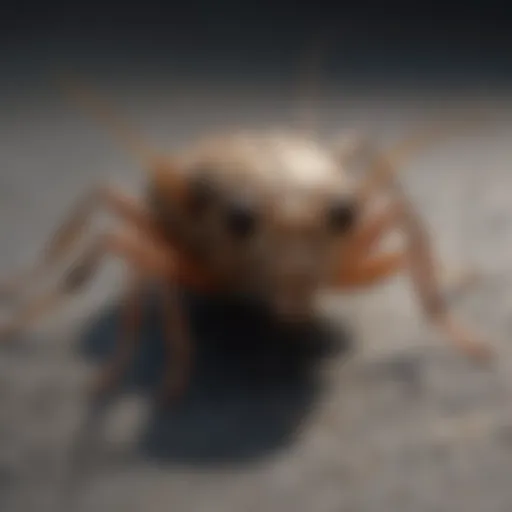
Recognizing a flea is generally straightforward. They are small, measuring about 1/8 inch in length, with a hardened body that allows them to navigate through fur and grass. Fleas exhibit a dark brown to black color, enabling them to blend in with their surroundings. If you spot your pet scratching excessively, it may be a sign of a flea infestation. One can also look for flea dirt, which appears as tiny black specks on the coat. This dirt is, in fact, flea feces made from digested blood.
Life Cycle
Understanding the life cycle of fleas can help in devising effective elimination strategies. Fleas undergo four stages: egg, larva, pupa, and adult. The entire process can take as little as two weeks in warm, humid conditions.
- Eggs: Flea eggs are tiny and white, often falling into carpets, bedding, and outdoor areas where pets frequent. A single female flea can lay up to 50 eggs per day.
- Larvae: These are small, worm-like creatures that avoid sunlight and thrive in dark environments. They feed on organic matter, including flea feces.
- Pupae: In this stage, the larvae spin cocoons, where they can remain dormant for months, waiting for the right conditions to emerge.
- Adults: Once they hatch, adult fleas are ready to search for their next blood meal. They can leap up to 13 inches high, allowing them to easily jump from host to surroundings.
The completion of this life cycle is what makes fleas formidable pests; they multiply rapidly, making early intervention crucial.
It’s worth noting that even if you've treated your pets, eggs and larvae can linger in the environment, requiring comprehensive yard treatment.
Pest Prevention Strategies
Once you understand fleas, the next step is prevention. By modifying their habitat and employing physical barriers, you can keep those pesky insects at bay.
Environment Modification
Fleas prefer warm, humid environments. By making your yard less hospitable, you can help deter them.
- Regular mowing: Keep your grass short to minimize hiding spaces.
- Remove debris: Clear away leaves, branches, and other organic debris where fleas may choose to thrive.
- Well-drained soil: Ensure your yard has proper drainage, as puddles provide perfect breeding grounds.
Physical Barriers
Implementing barriers can also ward off fleas effectively. Consider the following:
- Mulching: Adding cedar or neem bark mulch not only improves the aesthetics of your yard but also acts as a natural repellent.
- Fencing: Installing fences around your yard can help keep wildlife and stray animals that might bring fleas into your space.
Control Methods
If prevention fails and fleas invade your yard, it’s time to take action. Whether using chemical treatments or opting for biological control methods, a targeted approach is necessary for successful eradication.
Chemical Control
Chemical solutions are often preferred by homeowners for their immediate effectiveness. However, caution is imperative to avoid harming beneficial insects or plants.
- Insect Growth Regulators (IGRs): Products that inhibit flea development can be beneficial.
- Contact sprays: These offer quick knockdown of adult fleas upon contact. Look for those that contain permethrin or imidacloprid as active ingredients.
Biological Control
Sometimes nature holds the answer to our pest problems. Here are some biological methods:
- Beneficial nematodes: These tiny creatures can be introduced into your yard to infect and kill flea larvae.
- Essential oils: Certain oils like lavender or peppermint can act as natural repellents. They stimulate the flea’s nervous system, leading to adverse effects.
Using a combination of both strategies often leads to the best results. It’s all about finding the right balance and adopting an integrated pest management approach.
By being proactive and informed, you can reclaim your yard and create a safe and comfortable outdoor space for your whole family, furry friends included.
Understanding Fleas
Understanding fleas is crucial for anyone looking to create a pest-free yard. Fleas are not just nuisances; they can lead to discomfort for both pets and people. Grasping the nuances of what fleas are, how they live, and where they thrive guarantees that homeowners can take spirited measures against these tiny terrors.
Flea Life Cycle
Fleas undergo a fascinating life cycle with four stages: egg, larva, pupa, and adult. This cycle starts when an adult female lays eggs, which can be as many as 50 in a single day. These eggs fall to the ground or settle in pet bedding, often invisible to the naked eye. After about two days to two weeks, if conditions are right, the larvae hatch from the eggs.


Larvae are not the glitterati of the insect world; they remain hidden in cracks and crevices, feeding on organic debris — think skin flakes or even flea feces, which is basically digested blood. They develop into pupae, a stage where they turn into cocoons. This pupa can turn into an adult flea in just a few days, but under stress or when prepared to hop into a host, it may sit tight for a few months. Knowing this cycle reveals why just treating adults isn't enough — folks must tackle the entire cycle to ensure long-lasting relief from flea problems.
Common Flea Species
There are several common flea species, but three are particularly notorious in the United States. The most recognized is the cat flea (Ctenocephalides felis), which doesn't just nibble on your feline friends but also enjoys a bite of canine and human flesh. The dog flea (Ctenocephalides canis) is often mistaken for its cat counterpart, making it less common but still a pest to watch out for. Lastly, the human flea (Pulex irritans) can occur in areas of poor hygiene, thriving in unsanitary conditions. Each species has varied preferences on hosts, influencing how one approaches control strategies in their yard.
"Fleas don't just jump; they can jump up to 150 times their own length." This knack for leaping makes them quite effective in spreading from place to place.
Flea Behavior and Habitat
Fleas prefer warm, humid areas but are quite adaptable. They like to set up shop in places where they can easily access their hosts. In terms of behavior, fleas are most active in the early morning and evening. Understanding their behaviors, such as their propensity to jump onto resting pets or humans, can help homeowners identify problem areas. Fleas thrive in yards with tall grass, piles of leaves, and stagnant water — environments that can harbor their larvae. Therefore, a well-maintained yard, free from these invite-only spots, works wonders in preventing flea infestations.
Overall, knowing about fleas and their lifecycle, species, and behaviors arms homeowners with essential knowledge, laying the groundwork for effective pest control strategies. It’s not just about launching an attack; it’s about understanding the enemy.
Identifying Flea Infestations
Identifying flea infestations is a critical step towards reclaiming a comfortable outdoor environment. Fleas may seem small and inconsequential, but don’t let their size fool you; they can wreak havoc in your backyard and disrupt the lives of your pets and family. Understanding how to spot these troublesome pests can help you take immediate action before a minor issue escalates into a major infestation. This section will delve into the signs of flea presence and the impact fleas can have on both pets and humans, providing homeowners a solid groundwork for effective flea management.
Signs of Flea Presence
Fleas are not always easy to spot, but certain telltale signs can give away their presence. Here are some indicators homeowners should keep an eye out for:
- Flea Dirt: This is perhaps the most telling sign of a flea issue. When fleas feed on blood, they leave behind droppings that look like tiny black specks, often referred to as flea dirt. You can check for flea dirt by using a wet tissue; if the specks turn red, they are indeed flea droppings.
- Jumping Insects: Fleas are notorious jumpers, capable of leaping many times their length. If you notice small dark insects flying around your feet or furniture, it may well be a flea.
- Unusual Pet Behavior: Pets often become restless or overly scratchy when they have fleas. If you're noticing your dogs or cats chewing or biting their skin more than normal, it’s a strong indicator that fleas might be feasting on them.
- Patches of Fur Loss: As pets scratch and bite at their skin, they may cause patches of fur to fall out. This damage can lead to irritation or infection, worsening your pet's discomfort.
Knowing these signs is crucial, and early identification can save you a lot of trouble down the line.
Impact on Pets and Humans
Fleas are more than just a minor nuisance; they pose significant health risks to both pets and humans. Their bites can cause allergic reactions, leading to itchy skin and discomfort. Below are some considerations worth noting:
- For Pets: Flea bites can trigger allergic reactions leading to flea allergy dermatitis, which causes redness and inflammation. Pets may also transmit tapeworms through fleas, if ingested, creating further health concerns.
- For Humans: Fleas don’t discriminate and can also bite humans. The bites can be itchy and lead to local inflammation and scratching. In severe cases, some individuals might experience an allergic response, making it even more imperative to manage flea populations effectively.
"An ounce of prevention is worth a pound of cure."
Preventative Measures
Fleas may seem like a minor annoyance, but their presence can quickly escalate to an all-out invasion if not managed with foresight. Preventative measures are the first line of defense in keeping your yard free from these pests. By understanding their biology and habits, homeowners can create an environment that is inhospitable to fleas while also safeguarding the well-being of pets and family members.
Effective prevention not only saves time and effort in dealing with infestations later on but also reduces the need for harsh chemical treatments. The right strategy can keep your yard looking tidy and thriving while maintaining a pest-free space.
Maintaining a Clean Yard
The foundation of any good flea prevention strategy is a clean yard. Fleas thrive in clutter, making it imperative to regularly clean outdoor spaces. This means picking up leaves, grooming and discarding any pet waste promptly, and managing any debris that could serve as spots for fleas to settle in.
Key tasks include:
- Mowing the lawn regularly to disrupt flea habitats.
- Removing any standing water since it attracts other pests that fleas might hitch a ride with.
- Trimming overgrown bushes and shrubs where fleas might find protective cover.
A tidy yard is like a flea graveyard; it discourages the pests from taking up residence. Don’t forget about the shady spots too, as fleas love those areas to stay cool and moist. Keeping everything neat can feel like a herculean task, but with a regular schedule, it becomes routine.
Landscaping Strategies
Landscaping can play a pivotal role in flea control. By opting for certain plants and arranging them thoughtfully, you can create a natural barrier against these pests. Certain plants like neem, lavender, and rosemary not only enhance the aesthetic of your yard but also serve as natural repelants to fleas. Here are a few approaches to consider:
- Select flea-repellent plants: Incorporating plants known for their flea-repelling properties can provide an extra layer of defense. This includes herbs like mint and sage.
- Create zones: By designing distinct areas within your yard—like clusters of flowers, shrubs, and seating spaces—you help manage flea habitats and make it easier to keep things clean.
- Mulching: This can both beautify your yard and keep it clean. Use cedar chips or pine straw as these naturally deter fleas.
Implementing these strategies may take some time but will offer long-term benefits in flea prevention.
Managing Pet Interactions
Pets, especially dogs and cats, can act as conduits for fleas entering your yard. Maintaining their health and minimizing their exposure to fleas is crucial. Regularly inspect your pets for any signs of fleas and maintain a grooming routine that includes effective flea treatments.


- Use effective flea prevention products: Consult your vet for recommendations on topical or oral flea prevention treatments, ensuring these are reapplied as recommended.
- Designate pet zones: Create specific areas for your pets to lay and roam. This makes it easier to manage flea control measures in those spaces while keeping the rest of the yard clean and clear.
- Regular baths and grooming: Keep your pets clean to minimize the likelihood of fleas hitching a ride. Bathing pets on a schedule can reduce flea populations significantly.
By having a proactive approach in managing pet interactions, it not only keeps your pets happy but also lessens the chance of an infestation in your yard.
Flea prevention is a multifaceted approach that integrates cleanliness, thoughtful landscaping, and responsible pet care. Taking these measures to heart can spare you from the annoying consequences a flea infestation brings.
Chemical Control Methods
In the quest to rid your yard of fleas, chemical control methods are often a go-to approach. While these solutions may seem daunting or even controversial to some, they carry a substantial weight in effectiveness. With a plethora of insecticides available, understanding their benefits and considerations can vastly improve your approach to flea eradication. Chemical options tend to work rapidly and can be particularly effective in large infestations where natural methods alone may fall short. However, relying exclusively on chemicals is not advisable; understanding a balanced approach is crucial for a pest-free environment.
Insecticides Overview
Insecticides are chemical agents designed to kill or inhibit the growth of insects. They specifically target pests, causing significant disruption to their life cycles. Some of the preferred classes include pyrethroids, neonicotinoids, and insect growth regulators (IGRs). Each class has its unique mechanisms of action, which can provide distinctive advantages. For example, pyrethroids are favored for their ability to act quickly, while IGRs interfere with development, preventing future infestations.
It's imperative to familiarize yourself with the active ingredients in these products, as their effectiveness varies according to the life stage of the flea and environmental conditions. As such, choosing the right insecticide can significantly impact your success rate.
Application Techniques
Spraying
Spraying is a populr method of applying insecticides for flea control. One of its main advantages is the even coverage it provides, making sure every nook and cranny gets the treatment. The key characteristic of spraying is the ability for the solution to penetrate dense vegetation, where fleas tend to hide.
This method can achieve rapid results due to the immediate knockdown effect on fleas that come into contact with the sprayed surface. However, the main disadvantage lies in its need to be reapplied periodically to maintain effectiveness, as rainfall and foot traffic can diminish the treatment over time. Furthermore, homeowners need to ensure they follow specific safety guidelines during application to protect pets and the surrounding ecosystem.
Granular Treatments
Granular treatments offer another strategic avenue for flea control. Unlike sprays, these formulations can be simply scattered over the lawn or garden, allowing for prolonged efficacy as granular products can provide a residual effect.
The unique feature here is that they can stick to surfaces better, ensuring longer-lasting protection. They typically come with a slow-release mechanism that targets fleas effectively as they come into contact. However, one downside is that granular products may require watering to activate the ingredients, which could be a hassle depending on weather conditions. Additionally, some homeowners find it challenging to achieve complete coverage in dense areas.
Foggers
Foggers present a more potent solution, dispersing the insecticide in a fine mist that penetrates cracks and crevices where fleas thrive. This method's key characteristic is its ability to cover large areas quickly. Foggers are particularly beneficial during major infestations since they reach areas that might be missed through spraying or granulating.
However, the downside is the need for thorough preparations before use. Homeowners must clear pets and family from the area, as the chemicals can be harmful upon initial exposure. Moreover, foggers don’t provide lasting results, so they should be part of an integrated approach that combines other methods for ongoing control.
Safety Precautions
When using chemical control methods, it's paramount to prioritize safety. This includes wearing protective gear, such as masks, gloves, and goggles during application to mitigate the risk of chemical exposure. Always read the label thoroughly to understand the correct dosage and any specific directions regarding pets and human re-entry to treated areas.
Some vital safety tips include:
- Store chemicals securely out of reach of children and pets.
- Avoid treatment during windy conditions to prevent drift.
- Follow up with outdoor cleaning after treatment to remove any residues.
"The most effective pest control is always that which combines knowledge of the pest, proper application techniques, and constant monitoring for effectiveness." - Pest Control Expert
Taking the time to understand these chemical methods—not just the usage, but their implications—allows for a more holistic approach to flea elimination while ensuring the safety of your loved ones.
Natural Flea Control Methods
When it comes to managing fleas, the approach isn't always about chemical warfare. Embracing natural flea control methods can provide effective results without exposing your yard—or your pets—to potentially harmful pesticides. In this section, we explore a few natural methods that could help you reclaim your outdoor space.
Essential Oils and Their Efficacy
Essential oils have been touted for their pest-repelling properties for centuries. Fleas, like many pests, are sensitive to strong aromas. Oils such as lavender, peppermint, and eucalyptus can be utilized to deter these pesky critters. Here’s how you can use them:
- Dilution: Always blend essential oils with carrier oils, like olive or coconut oil, before applying it. A common mix includes 10-15 drops of essential oil in a spray bottle full of water.
- Spraying: Spritz this mixture onto areas where fleas tend to lurk—think shady spots and thick grass. Reapply every few days or after rain.
Using these oils not only adds a pleasant smell to your yard but can discourage flea activity effectively. Moreover, many essential oils possess anti-inflammatory and soothing properties that can benefit your pets.
"Using natural methods for flea control is a gentle yet effective way to protect your pets and plants."


Diatomaceous Earth
Diatomaceous Earth (DE) is another natural solution that's both safe for pets and humans. Essentially, it's made from the fossilized remains of tiny aquatic organisms called diatoms. Its effectiveness derives from the tiny, sharp particles that can pierce the flea's exoskeleton, leading to dehydration and ultimately death. Here's how to put DE to work:
- Application: Sprinkle a fine layer of food-grade diatomaceous earth across your lawn, focusing on areas where fleas are likely to hide.
- Water-Free Zones: Remember, DE works best in dry conditions, so avoid putting it down just before rain or watering your yard, as moisture deactivates its efficacy.
Be sure to wear a mask when handling DE, as inhaling the fine powder can irritate your lungs. It might seem like walking on powdered chalk, but avoid that inhale at all costs!
Beneficial Insects
Consider the role of beneficial insects as allies in your battle against fleas. Certain insects can naturally reduce flea populations without you having to lift a finger. For example:
- Nematodes: These microscopic worms invade flea larvae, acting as a natural pest solution while being harmless to your pets and plants. Just mix them with water and spray them in your yard.
- Ladybugs: Though they don’t directly eat fleas, they are effective at controlling other pests, which helps maintain a balanced ecosystem in your yard.
By attracting beneficial insects to your yard, you’re essentially enlisting a natural army to fight your battles against fleas and other pests.
Incorporating these natural methods may take time, but they are worth the effort to create a safer and healthier environment for both your family and your pets.
Post-Treatment Care and Monitoring
Once you’ve taken the initial steps to eliminate fleas from your yard, the journey does not end there. Proper post-treatment care and monitoring are essential to ensure long-term success. It’s easy to assume that the problem is solved once you apply a treatment, but neglecting the management phase can open the door to a reinfestation. Here’s how you can keep those pesky insects at bay after your treatment.
Evaluating Treatment Effectiveness
After implementing a treatment plan, it's crucial to evaluate how well it worked. One way to do this is by regularly inspecting your yard and checking for any signs of flea activity. Look out for:
- Jumping Fleas: If you see fleas jumping on you or your pets, there’s definitely still a problem.
- Pet Scratching: If your pets are still scratching or behaving unusually, that could indicate there are fleas lingering around.
- Flea Dirt: This looks like small black specks in your pet’s fur or on surfaces in your yard; it’s a sign that adult fleas may still be present.
To effectively monitor the situation, spending a little time at different parts of your garden will help. Fleas tend to hide in shaded and moist areas, so focus your attention there after a treatment has been applied. Taking notes on what you find will allow you to make informed decisions about whether you need to reapply treatments or try different methods.
Ongoing Maintenance Strategies
Keeping fleas away from your yard requires a commitment to ongoing maintenance. Here are strategies that can help ensure your yard remains flea-free:
- Regular Mowing: Keeping grass short reduces the habitat that fleas thrive in. Aim for a no more than a couple of inches tall.
- Deworming Pets: Ensure that your pets are on effective flea prevention medications. Consulting with your veterinarian on the best options is always a smart move.
- Soil Treatments: Consider reapplying natural treatments like diatomaceous earth or beneficial nematodes, especially after heavy rainy days which can wash away treatments.
- Pet Baths: Regularly bathe your pets with flea shampoo to kill any fleas that may have hitched a ride home.
- Barrier Plants: Certain plants repel fleas; for example, lavender and rosemary could act as natural barriers.
Investing time in these strategies ensures a comprehensive defense against flea infestation. After all, it’s not just about eliminating them once. Keeping your yard well-maintained and regularly inspecting your pets will leave less room for these pests to invade again.
"An ounce of prevention is worth a pound of cure." - Benjamin Franklin
To further delve into flea management techniques, resources such as Wikipedia and Britannica provide valuable insights.
When to Consult Professionals
In the quest to eliminate fleas from your yard, there comes a time when the do-it-yourself approach may not suffice. Understanding when to consult professionals is crucial for ensuring your outdoor space remains a peaceful haven. While many homeowners attempt various methods of flea control, seeking expert help can offer significant benefits, including more effective eradication techniques and professional-grade products that are not easily available to the general public.
Identifying the right moment to call in the cavalry hinges on several specific indicators. It’s not just about feeling overwhelmed or discouraged. A few key considerations may signal that it’s time to pick up the phone.
Signs Indicating Professional Help is Needed
Several signs indicate that your flea problem may have escalated beyond personal control:
- Continuous Spike in Flea Population: If you notice that despite your treatments, fleas seem to thrive and multiply, it indicates a deeper issue. This could be due to a robust infestation or an ineffective treatment strategy.
- Appearance of Flea-Resistance: Some flea populations can develop a resistance to common over-the-counter treatments. If you find that flea collars or store-bought sprays are proving ineffective, it’s time to reconsider your options.
- Increased Health Risks: If your pets or family members suffer from flea bites or are showing signs of flea-related illnesses, postponing professional help can pose health risks. Fleas can carry diseases that affect both animals and humans.
- Aquatic Fleas: In some cases, infestations in gardens can escape into nearby waters. If you have a pond or pool, and you notice flea activity there, this situation demands urgent professional intervention.
- Multiple Treatment Attempts: If you’ve exhausted several home remedies, like diatomaceous earth or essential oils, and they’ve failed to bring any relief, turning to a professional service can save you from further frustration.
It’s essential to recognize these signs as indicators that you may have a more severe problem that warrants the expertise of pest control professionals.
Choosing the Right Pest Control Service
When you've made the decision to seek professional assistance, the next step is finding a reputable pest control service. Not all services are created equal, and making the right choice can be daunting. Here’s what to consider to ensure you select the best option:
- Reputation and Reviews: Start by researching local pest control companies. Look for online reviews and testimonials from other homeowners. Websites like Yelp or local social media forums can provide valuable insights.
- Experience and Specialization: Not all pest control services handle fleas specifically. Ensure the company you choose has experience with flea infestations and a solid track record of success.
- Treatment Options: Ask about the methods they use. An effective service should offer a thorough assessment and a range of both chemical and natural treatment options tailored to your specific situation.
- Licenses and Certifications: Verify that the pest control provider is fully licensed and insured. This shows they adhere to industry standards and regulations.
- Follow-up Care: A good pest control service should provide advice on ongoing maintenance and follow-up visits. It’s important they equip you with strategies to prevent future infestations.
By taking these steps in selecting the right pest control service, you maximize your chances of effectively resolving flea problems while ensuring the health and safety of your household.
"Sometimes it takes a bit of wisdom and humility to recognize when it's time to call in the professionals. The goal is to reclaim your yard without the added stress of a lengthy battle against fleas."
For more information on pest control methods and services, consider checking out resources from CDC or EPA for valuable guidelines on safe pest management practices.