Dominion Termite: Insights on Its Biology and Impact
Intro
Termites often remain in the shadows, rarely acknowledged until they become a problem that gnaws away at the very structures we hold dear. Among these wood-chewing invaders, the Dominion termite stands out as a particularly noteworthy species. Not only does it have a distinctive identity, but also a significant impact on both our habitats and local ecosystems. Understanding this termite, from its biology to its behavior, is essential for homeowners, pest control professionals, and anyone concerned with maintaining the integrity of their living spaces.
As the old saying goes, "Forewarned is forearmed.” By familiarizing ourselves with the Dominion termite, we can make informed decisions on how to prevent infestations, safeguard our homes, and implement effective control strategies.
Let’s take a closer look at the Dominion termite, exploring its characteristics, life cycle, and its implications for our environments.
Understanding the Pest
Identification
The Dominion termite is easily distinguishable from other termite species. Its coloration varies, but it often appears in shades of light brown to yellowish. They have a straight-waisted body, a straight antenna, and typically grow between 1/4 to 1/2 inch long. These critters travel in colonies, and their presence often signals potential trouble, particularly if you notice mud tubes or discarded wings near your home.
Besides this visual identification, audio cues can help too; if you place your ear against a wall and hear a subtle crunching sound, you might just have roommates that you didn’t sign up for.
Life Cycle
The life cycle of the Dominion termite unfolds in several stages, much like a well-rehearsed play. It begins with eggs, which are laid by the queen and can number in the thousands. Once hatched, these eggs transform into nymphs, which will develop into workers, soldiers, or reproductive adults depending on various factors, including the colony's needs. This multi-role approach is one of the reasons why they thrive in so many environments.
The worker termites take on the majority of the work, foraging for food and expanding the colony, while soldiers protect against predators. This division of labor ensures the survival and success of the colony.
"Understanding how these pests operate is the first step in outsmarting them."
Homeowners often overlook the signs of a termite infestation until structural damage becomes apparent. Regular monitoring is essential.
Pest Prevention Strategies
Environment Modification
Making simple changes in your environment can greatly deter termites from settling in. Eliminate any wood-to-soil contact by raising wooden structures off the ground. Clean up leaf litter, woodpiles, and debris around your home, as these can provide hiding places. Be mindful of moisture accumulation, since termites thrive in damp conditions—fixing leaks and improving drainage can go a long way in pest-proofing your space.
Physical Barriers
One of the most reliable methods for preventing termites is the use of physical barriers. These might include steel mesh or concrete shields that prevent access to structural wood. Although more labor-intensive, these barriers provide a solid defense against potential infestations.
Control Methods
Chemical Control
When the battle against Dominion termites escalates, chemical methods often come into play. Liquid termiticides create a barrier around your home, while baits can eradicate entire colonies over time. However, these should be used judiciously, as they can have long-ranging effects on the environment.
Biological Control
On a greener path, biological control options are becoming increasingly popular. Introducing natural predators, like nematodes, can help manage termite populations effectively. These microscopic creatures hunt down the larvae, offering one of many sustainable methods available.
In summary, understanding the Dominion termite is a crucial endeavor for anyone who values their property or grounds. Highlighting prevention and control methods, along with the pest's life cycle, can elevate our awareness and responses. By taking proactive measures, we can better manage or even avert problems posed by these small but impactful creatures.
Intro to Dominion Termite
Understanding Dominion termites is more than just a matter of pest control; it delves into an intricate balance within ecosystems and our built environment. These creatures play a significant role in nutrient cycling and soil health while posing challenges that can lead to structural damage if left unchecked. The importance of this section is to lay the groundwork for an informed discussion on Dominion termites—highlighting their impact not just on homes but on the broader ecological web.
Overview of Termites
Termites are often misconceived as mere pests; however, they are ecologically vital. They belong to the order Isoptera and have been around for millions of years. Their primary role is the decomposition of cellulose found in wood and other plant materials. This process not only enriches the soil but also promotes plant growth. These critters operate in colonies, typically organized in a caste system that includes workers, soldiers, and reproductive members. Such structure allows their communities to thrive and adapt to various environments.
Without these wood-munching insects, dead trees and other organic debris would accumulate, leading to poorer soil health and less biodiversity. So, the next time you observe a termite, consider it a miniature caretaker of nature.
Defining Dominion Termite
The Dominion termite, a specific genus, captures attention within the termite family due to its unique characteristics and behavior. Identified for its specific eating habits and nesting preferences, this species can often be found in urban and suburban areas, making it particularly relevant for homeowners. Unlike other termites that might build their colonies underground, Dominion termites commonly construct mounds above ground which makes them easier to spot, albeit not easier to manage.
Their foraging habits are distinctive as well; they prefer to snack on the softer parts of wood, often targeting damp or decaying timber. This penchant can lead to significant structural damage if not monitored closely. In most instances, home damage goes unnoticed until it is quite severe, demonstrating why understanding this species is critical for pest management in residential areas.
"Recognizing the species is half the battle—knowing how to manage them is where the real work begins."
In summarizing this section, one cannot overlook the dual role Dominion termites play. They act as decomposers while also serving as unwelcome guests in our homes. Balancing these extremes is essential for effective pest management strategies, and that balance starts with a solid understanding of the species itself.
Biology of Dominion Termite
Understanding the biology of the Dominion termite is essential, as it sheds light on the intricacies of this species and its implications in our lives. Grasping their biological traits—such as physical characteristics, life cycles, and colony structures—allows homeowners and pest control professionals to better understand their behaviors and habits. This knowledge is pivotal in addressing infestations effectively and sustainably.
Physical Characteristics
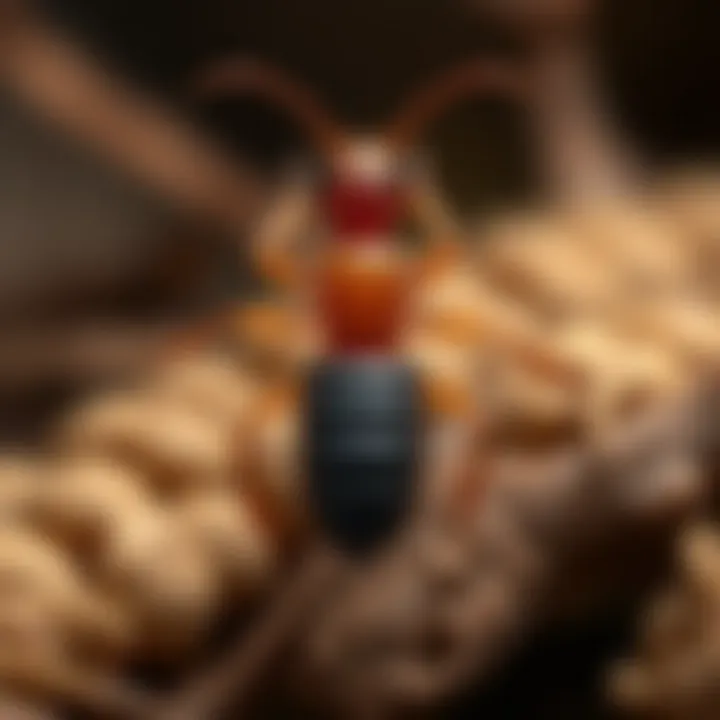
Dominion termites have a number of distinct physical traits that set them apart from other species. Adult termites typically measure between a quarter to half an inch in length. They present a creamy white to light brown coloration, making them somewhat camouflaged against the wood they often inhabit. They possess straight antennae and a segmented body that can be divided into three distinct parts: the head, thorax, and abdomen.
Interestingly, workers and soldiers within a colony have different features. While the workers are usually wingless and slender, soldiers boast larger mandibles. These features are key to their roles: workers are responsible for foraging, while soldiers protect the colony from threats, displaying a fascinating division of labor. This diversity in morphology illustrates the adaptability of Dominion termites to their environments, which is crucial for their survival and efficiency in their habitats.
Life Cycle Stages
The life cycle of Dominion termites is a complex journey, typically undergoing three primary stages: egg, nymph, and adult.
- Egg Stage: The queen termite can lay thousands of eggs throughout her lifetime. These tiny eggs hatch into nymphs after about a week.
- Nymph Stage: Nymphs resemble smaller versions of adult termites and are often white in color. They undergo several molts, maturing into workers, soldiers, or reproductive adults. This phase is crucial, as the nymphs’ ability to adapt to their roles determines the colony's strength and sustainability.
- Adult Stage: Eventually, mature termites emerge as either reproductive forms known as alates, or as workers and soldiers. Alates, with wings, are the only ones capable of flying, which makes them essential for dispersing to start new colonies. The entire cycle can take a few months to several years, depending on environmental conditions, a crucial consideration when assessing termite management strategies.
Colony Structure
The colony structure of Dominion termites is both intricate and hierarchical. A standard colony includes three types of termites: workers, soldiers, and reproductives.
- Workers: The backbone of the colony, workers engage in the foraging for food, caring for the young, and maintaining the nest. They are the unsung heroes, tirelessly working to keep the colony alive.
- Soldiers: Equipped with strong mandibles, soldiers defend the colony against intruders. Their presence signifies a community that is well-protected, as they sacrifice freedom for the safety of the group.
- Reproductives: This group is composed of the queen and king, whose primary function is to produce the next generation. A healthy queen produces thousands of eggs daily, a clear testament to the colony’s potential growth. Their reproductive success is paramount in sustaining the colony and expanding its territory.
"Understanding the structure and dynamics within a Dominion termite colony can be an enlightening journey, revealing the connections that bind these small creatures into a highly organized society."
In summary, the biology of Dominion termites encompasses a fascinating blend of physical traits, developmental stages, and social structures. Each aspect is interlinked intricately, highlighting the significance of this species in both ecological and structural contexts. Homeowners need to be aware of these biological insights, as they are instrumental in formulating effective strategies for managing potential infestations.
Behavior of Dominion Termite
Understanding the behavior of Dominion termites is essential for both pest control professionals and homeowners. These insects are not just random munchers of wood; their behavioral patterns significantly influence their impact on structures and ecosystems. With a keen grasp of their feeding habits, nesting preferences, and reproductive behaviors, we can develop better management strategies and effectively mitigate the damages they cause.
Feeding Habits
Feeding is a central aspect of the Dominion termite's life. They primarily thrive on cellulose, which means they have a taste for wood, paper, and other plant materials. This choice isn't arbitrary; cellulose provides a concentrated energy source that fuels their activities. Unfortunately for homeowners, this means that timber structures, furniture, and even sheetrock become a buffet for these pests.
However, what's fascinating is that they don't just chew through wood haphazardly. Each colony has a structured approach. For instance, worker termites are tasked with foraging for food. They tend to follow established trails marked by pheromones. This method not only ensures efficiency but also minimizes the energy spent searching for food.
- Worker termites: These are the real laborers of the colony. They are responsible for foraging, feeding, and caring for the young.
- Soldier termites: Their role is more defensive. They protect the colony against predators and threats.
Their feeding habits raise considerable concerns for residential structures, emphasizing the need for vigilant monitoring. Any sign of wood damage or sawdust around the home should prompt immediate inspection, as it indicates that these insects might be having a meal right under your roof.
Nesting Preferences
When it comes to nesting, Dominion termites demonstrate a notable preference for specific environments. They typically build their colonies in moist, wooden structures, but their adaptability extends to various locations. In fact, they can establish nests in soil, decaying wood, and even beneath concrete slabs - creating perfect hideouts that are often hard to detect.
Their nesting choices often depend on environmental factors such as moisture levels and temperature. More often than not, they favor areas with a stable humidity level, as dehydration can be detrimental to their survival. In humid regions, the likelihood of infestations is notably higher. Homeowners should consider this when assessing areas around their homes that retain water, like clogged gutters, leaky roofs, or poorly drained soil.
- Subterranean nests: Found underground, these nests connect to the soil, allowing workers to forage without being exposed.
- Wood nests: These are created within wooden structures, where they find plenty of cellulose and protection.
Recognizing their nesting preferences can help in early detection. Proactive measures, such as thorough inspections of potential nesting sites, can thwart infestations before they spiral out of control.
Reproductive Behavior
Reproductive behavior in Dominion termites is intricate and has significant implications for population growth within colonies. The entire colony can trace its origins back to a primary reproductive pair, also known as the king and queen. The mating process involves nuptial flights, where young reproductives leave to find a mate. This time, when you see swarms of winged termites, that's a sign of establishing new colonies – a red flag for homeowners.
Post-mating, the queen settles down, often laying thousands of eggs over her lifetime. These eggs hatch into nymphs, which are not only nurtured but also integrated into the colony’s hierarchy. The queen's capability to produce such a high volume of offspring means that any identified colony can grow exponentially within a short period, earning them a notorious reputation as persistent pests.
"A single queen termite can lay up to 6,000 eggs in a single day, underscoring the rapid growth potential of a colony."
This reproductive prowess emphasizes the necessity for timely intervention. Pest control measures aimed at colony eradication should ideally coincide with the reproductive cycle to maximize effectiveness.
In summary, the behavioral intricacies of Dominion termites are pivotal in understanding their impact and management. By paying attention to their feeding habits, nesting preferences, and reproductive behaviors, homeowners can effectively safeguard their structures and mitigate potential invasions.
Ecological Role of Dominion Termite
Understanding the ecological role of Dominion termites offers a glimpse into their critical contributions to both the environment and human life. Often dubbed nature's little recyclers, these insects perform numerous functions that influence soil health, promote biodiversity, and enhance the overall ecosystem. Their activities are not just incidental; they pack a hefty punch when it comes to maintaining ecological balance.
Soil Aeration and Nutrient Cycling
Dominion termites play a key role in soil aeration. Their tunneling activities create pathways that allow oxygen to reach plant roots, which is essential for their growth. Without such aeration, soil can become compacted, hindering root development and ultimately affecting vegetation health. The tunnels formed by these termites also help facilitate water infiltration, minimizing runoff and erosion.
In terms of nutrient cycling, Dominion termites are unparalleled. They feed primarily on cellulose, breaking down wood, leaf litter, and other organic materials. As they digest these substances, they convert complex organic matter into simpler forms that are easier for plants to absorb. This process releases vital nutrients back into the soil, enriching it and benefiting plant life. Consequently, their presence contributes to a healthier ecosystem, leading to more robust agricultural productivity and natural flora.
"Termites are nature's little recyclers, turning wood and waste into life-sustaining nutrients for the soil."
Consider this: a thriving termite colony can transform large volumes of decayed organic matter into usable nutrients. Homeowners may consider them pests, yet their ecological benefits support various plant species and enhance soil richness. The decline of termite populations could potentially result in nutrient-poor soils, adversely affecting crop yields and biodiversity.
Impact on Biodiversity
Dominion termites contribute significantly to biodiversity as they serve as food sources for various predators, including birds, reptiles, and small mammals. These interactions help maintain a balanced food web, whereby the control of populations for both predators and prey convene in a delicate equilibrium.
Additionally, their nesting habits can create habitats for other organisms. Some species of fungi and microorganisms thrive in termite mounds and tunnels, fostering a unique microhabitat. This cohabitation can help sustain various forms of life that might struggle to survive otherwise. Termite action thus perpetuates a natural cycle, binding many aspects of an ecosystem together—from nutrient cycling to habitat construction.
Challenges Posed by Dominion Termite
Understanding the challenges posed by Dominion termites is crucial for homeowners, property managers, and anyone who has a stake in maintaining a safe and structurally sound environment. Given their voracious appetite for wood and the unique structural characteristics of various buildings, these termites can lead to significant problems that go beyond mere inconvenience. It's essential to be aware of how they operate and the precautions necessary to mitigate the risks they bring. Tackling these challenges not only protects homes and businesses but also enhances overall property value and safety.
Structural Damage
Structural damage caused by Dominion termites is not to be taken lightly. These pests are expert wood-eaters and can wreak havoc on wooden structures over time. They start small—gaining entry through cracks and crevices—and often progress unnoticed until severe damage has been done.
- Key Areas of Concern:
- Wooden beams, joists, and supports are particularly vulnerable.
- Damage can extend to flooring and wall panels.
- Signs of infestation often include hollowed-out wood and mud tubes that serve as highways for these termites.
The level of damage can become astonishing. In some instances, homeowners may find themselves needing to replace extensive portions of their homes, incurring hefty repair bills. Indeed, the phrase, "an ounce of prevention is worth a pound of cure" rings alarmingly true here. Close monitoring for signs of termite activity and adopting preventive measures can spare individuals from catastrophic repairs down the line.
Economic Implications
The economic implications of a Dominion termite infestation are far-reaching. It’s not just about immediate repair costs; the long-term financial burden can escalate quickly. Home insurance policies may not cover termite-damaged structures unless specific precautions were taken. The costs can spiral out of control, leading homeowners to dig deeper into their pockets.
- Considerations on Financial Impact:
- Repair Costs: Damage from these termites can lead to significant repair costs, sometimes running into thousands of dollars.
- Decreased Property Value: Homes known to have termite issues may lower in market value, causing further financial strain.
- Increased Insurance Premiums: If a property has an active infestation, insurance companies may increase premiums or deny coverage altogether.
"Taking a proactive approach to termite control can save you a world of headache—and money."
From the perspective of commercial properties, the stakes are even higher. Business owners face not just repair costs, but also potential loss of revenue while performing necessary repairs or treatments. The shadow cast by such infestations can even deter prospective buyers or tenants if a property's history includes such damage. Clearly, battling Dominion termites is about more than just peace of mind—it's about safeguarding your financial future.
Monitoring and Detection
Effective monitoring and detection strategies are essential when dealing with the Dominion termite, given their potential to wreak havoc on both residential and commercial properties. Recognizing the signs of an infestation early not only aids in minimizing repair costs but can also safeguard the overall integrity of structures. The earlier one can catch a problem, the less damage tends to be done, making this aspect critically important for homeowners and pest control professionals alike.
Signs of Infestation
Detecting the presence of Dominion termites is often tricky, as these pests can operate undetected for long periods. Homeowners should keep an eye out for the following telltale signs:
- Mud Tubes: Look for small, pencil-sized tubes made of soil or droppings. These tubes provide shelter for the termites as they travel between their nest and food sources.
- Wood Damage: Check wooden structures for any hollow-sounding areas. If tapping on wood makes a dull sound, it could indicate that termites are consuming it from the inside.
- Swarmers: During specific seasons, winged termites, known as swarmers, may emerge to find new mates and establish colonies. If you see these insects inside your home, it’s a red flag that nearby colonies might be present.
- Termite Droppings: Also called frass, these are small, pellet-like droppings often found near infested wood. Discovering such droppings can help confirm an infestation.
"Recognizing the early signs of a termite infestation can save thousands in potential damages."
Being proactive about monitoring for these signs can mean the difference between a minor inconvenience and a major disaster.
Inspection Techniques
Once signs of a potential infestation are identified, undertaking thorough inspections becomes crucial. Homeowners can employ a variety of techniques:
- Visual Inspection: Begin by inspecting areas that are prone to termite activity, such as basements, crawl spaces, and attics. Use a flashlight to look for mud tubes, wood damage, or other signs detailed above.
- Professional Inspections: Engaging a pest control professional is a prudent step. They possess specialized tools and knowledge to conduct comprehensive inspections, often including thermal imaging cameras that detect heat patterns indicative of termite activity.
- Moisture Meters: These devices measure moisture levels in wood materials. Since termites thrive in wet environments, detecting high moisture can lead to finding hidden infestations.
- Baiting Systems: Some pest control companies use bait systems strategically placed around your property to lure termites. Monitoring these bait stations helps in assessing activity levels and infestations over time.
Using these techniques can provide homeowners peace of mind, as proper monitoring ensures that any potential threats are caught early and effectively managed.
Control Methods for Dominion Termite
Effective control measures for the Dominion termite are essential in mitigating the potential destruction that these pests can cause. Understanding the various control methods available provides homeowners and professionals with the ability to address infestations proactively. The significance of implementing these methodologies cannot be overstated, as they not only protect structures but also contribute to the overall ecological balance. Key elements to consider include effectiveness, environmental impact, and safety for households.
Chemical Treatments
Chemical treatments have long been the go-to solution for managing termite infestations. These methods involve the use of insecticides specifically formulated to eliminate termites and deter their return. Here are some common aspects of chemical treatments:
- Types of Insecticides: The most prevalent chemical options include liquid termiticides, baiting systems, and foams. Liquid treatments are commonly used to create a barrier around the foundation, while baiting systems attract termites with a slow-acting poison.
- Application Methods: Successful application can vary based on the location and intensity of the infestation. It's vital to follow the manufacturer's instructions and, if possible, hire professionals for precision.
- Effectiveness: When applied correctly, chemical treatments can significantly reduce termite populations, sometimes offering immediate results. However, they require regular monitoring and can sometimes necessitate reapplication to maintain efficacy.
Despite their effectiveness, it is crucial to consider the potential environmental implications of chemical interventions. For this reason, some homeowners seek alternatives to chemical treatments.
Eco-Friendly Options
As more individuals become conscious of environmental issues, eco-friendly control methods have gained popularity. These options offer sustainable solutions to termite management, lessening the ecological footprint associated with traditional insecticides. Here are some notable eco-friendly strategies:
- Boric Acid: Derived from naturally occurring minerals, boric acid is an effective eco-friendly pesticide that disrupts the digestive systems of termites when ingested. It is typically applied as a powder or mixed in water for a spray.
- Nematodes: Beneficial nematodes are microscopic worms that prey on termites. Introducing these organisms into the soil or infested areas can help manage termite populations without harmful chemicals.
- Physical Barriers: Installing physical barriers such as stainless steel mesh or sand barriers can obstruct termite entry points. This method is particularly effective during construction, as it protects against future infestations.
- Natural Predators: Encouraging natural predators of termites, such as certain birds and beetles, can help keep termite populations in check. This integrative approach not only aids in termite management but also enhances the biodiversity of your garden.
Implementing eco-friendly options may require more time and consistent effort, but they offer long-term benefits not only for the household but for the environment too. Combining traditional methods with eco-friendly practices may provide the most holistic approach to termite control.
Key Takeaway: A well-rounded termite control strategy that incorporates both chemical and eco-friendly options can lead to more successful management of Dominion termites while preserving environmental integrity.
Preventive Measures
Preventing a Dominion termite infestation is crucial for both maintaining your home and safeguarding your finances. These pests can be relentless, causing significant structural damage over time if left unchecked. Thus, understanding preventive measures is not just wise; it's essential for homeowners aiming to keep their property secure.
Benefits of Preventive Measures:
Emphasizing preventive strategies can result in several advantages:
- Cost Savings: By addressing vulnerabilities early, homeowners can avoid the hefty repair bills that come with termite destruction.
- Increased Home Value: Properties that are well-maintained and termite-free tend to have better resale values.
- Peace of Mind: Knowing you’ve taken steps to deter termites can ease worries and let you focus on other important aspects of home life.
Home Maintenance Tips
Regular home maintenance can significantly diminish the risk of infestation. Here’s a collection of practical tips for homeowners:
- Seal Off Entry Points: Inspect your home for cracks, gaps, or any openings that might serve as entryways for termites. Simple tasks like sealing joints and gaps can go a long way.
- Proper Ventilation: Ensure your attic, basement, and crawl spaces are well-ventilated to reduce moisture, which attracts termites. An airy space is a less attractive option for them.
- Wood Storage: Keep firewood, lumber, and any wood-related materials at least 20 feet from your home. Elevate them off the ground using a rack or platform to avoid direct contact with moist soil.
- Regular Inspections: Schedule termite inspections with professionals to catch early signs of infestation. Sometimes, an expert eye can see what a homeowner might miss.


"An ounce of prevention is worth a pound of cure" — Benjamin Franklin.
Landscaping Precautions
Landscaping choices can unintentionally create an inviting environment for termites. Thus, taking a few precautions can help preserve your home:
- Remove Mulch Near Foundation: While mulch helps with plant health, a thick layer against your foundation can retain moisture—fertilizing termites. Keep the mulch at least 12 inches away from your home's base.
- Choose Wood Wisely: If you’re using wood in landscaping, opt for treated wood or use materials like concrete or stone for borders and fences.
- Water Wisely: Overwatering your garden can lead to excess moisture close to your foundation. Consider drip irrigation systems that keep water away from areas that might attract termites.
- Regular Cleaning: Clear away any dead trees, stumps, and fallen branches, as these can serve as breeding spots for termites. Maintaining a tidy exterior can help eliminate potential food sources for these pests.
Case Studies of Dominion Termite Infestation
Understanding the impact of Dominion termite infestations through case studies offers invaluable insights for homeowners and pest control specialists alike. These real-life examples highlight not just the extent of damage these pests can inflict but also the diverse strategies employed to mitigate their destructive tendencies. Analyzing specific instances of infestation enables us to draw conclusions about prevention, control, and effective management of the population, thereby fostering a more resilient approach in protecting homes and properties.
Residential Infestations
In suburban neighborhoods across the country, residential infestations of Dominion termites have led to considerable anguish for homeowners. A notable case occurred in a quiet Illinois suburb, where a lovely single-family home fell victim to a hidden colony. The residents, unaware of the growing menace, noticed subtle signs: a faint crunching sound in the walls and the presence of discolored wood near the baseboards.
Investigations revealed extensive damage, amounting to thousands of dollars in repairs. This unexpected financial burden illustrated the importance of regular inspections, shining a light on how early detection could have mitigated the impact. Homeowners learned the hard way that vigilance was key—keeping an eye out for mud tubes, droppings, and even the sound of termites at work could save them from spiraling costs and persistent repairs.
It's not just about the money either; the emotional toll can be significant. The feeling of dread upon discovering an infestation often turns into anxiety about home safety, especially when children and pets are involved.
**Key Takeaways from Residential Infestation:
- Regular inspections can spot signs early.
- Knowledge of termite behavior can help in detection.
- Emotional and financial implications highlight the need for preventive measures.**
Commercial Properties
The stakes get even higher when Dominion termites make their way into commercial properties. In a large shopping mall located in Florida, a serious infestation went largely unnoticed until structural issues became apparent. Store owners began to complain about doors sticking and walls warping. As management investigated complaints, they stumbled upon termite damage inside support beams.
The resultant shut-down and repair costs were staggering, resulting in lost revenue and an impacted reputation for the shopping complex. This particular case underlined how critical it is for commercial properties to have robust monitoring systems in place. Not only did it remind owners that these pests could undermine infrastructure, but it also emphasized the need for comprehensive pest management strategies that include medium-to-long-term solutions.
Through this lens, one can see that pest management systems for businesses should go beyond reactive approaches and actively incorporate routine inspections and treatment plans.
"Prevention is better than cure," and for commercial property owners, this couldn't ring truer. Taking proactive steps in maintaining structures can safeguard against unwanted surprises down the line.
**Key Insights from Commercial Infestation:
- Structural integrity can be compromised by hidden infestations.
- Proactive management minimizes long-term damage.
- Reputation risks highlight the need for public awareness and transparency.**
Through these case studies—be it in a cozy family home or bustling retail center—the dominance and impact of Dominion termites become all the more evident. These narratives not only educate but also serve as a powerful reminder that preparedness is key.
Innovations in Termite Management
In the rapidly evolving field of pest management, innovations in termite control have become crucial. This area of study not only addresses the financial losses associated with termite damage but also seeks to minimize the environmental impacts often linked to traditional treatment methods. Understanding these innovations helps homeowners and professionals alike make informed decisions. It’s about equipping people with the right tools to tackle the menace of termites while, at the same time, ensuring the process is as eco-friendly as possible.
Advancements in Detection Technology
Detecting a termite infestation early can save homeowners a fortune in repairs. Recent advancements in detection technology have made spotting these pests less of a game of chance. One of the most significant breakthroughs has been the use of infrared thermography. Its effectiveness lies in identifying temperature variations in walls and structures, indicating potential termite activity hiding out of sight.
Moreover, acoustic sensors are becoming more sophisticated. These devices can pick up on tapping sounds made by termites while they feed or tunnel, helping to pinpoint their exact location. Homeowners can avoid unnecessary digging or intrusive methods that were common in the past. Another handy method gaining traction is moisture detection technology since termites are drawn to damp environments. Monitoring moisture levels can thus provide a clear indicator of possible infestation zones.
"Investing in advanced detection methods today paves the way for more sustainable pest management practices tomorrow."
These technologies not only help locate infestations early but also minimize disruptions to everyday life and preserve the surrounding ecosystem.
Research on Eco-Friendly Solutions
The conversation around pest control has seen a notable shift towards sustainability, and termite management is no exception. Ongoing research into eco-friendly solutions is exploring various biological control agents. For instance, entomopathogenic nematodes, tiny worms that can seek out and parasitize termites, show promise as a natural alternative to chemical pesticides.
Additionally, studies are investigating plant-based solutions that repel termites. Extracts from plants like neem and certain essential oils reveal effectiveness in deterring termite behavior without causing harm to the environment. In contrast to harsh chemicals, these natural deterrents align with a growing preference for safety in households, particularly for families with small children and pets.
Another notable approach involves utilizing fungal pathogens that specifically target termites without affecting other insects. This method strengthens not only the ecological balance but also adds a layer of safety in pest control.
As research continues to unfold, the integration of these eco-friendly options into mainstream termite management appears imminent. Homeowners and pest control professionals who stay informed and adapt to these advancements will not only combat infestations but will also promote a healthier surrounding environment.
Epilogue
The world of the Dominion termite offers us a compelling narrative, one that intertwines biology, ecology, and human interests. Understanding the species is crucial for several reasons. First, it sheds light on their role within ecosystems, particularly in soil aeration and nutrient cycling, which can sometimes be overlooked amidst their more notorious reputation as pests. Comprehending their life cycle and behavior aids homeowners in proactive measures, ensuring that structures are safeguarded against potential infestations.
Summary of Key Points
To wrap up the insights presented throughout this article, we need to revisit several critical points:
- Ecological Importance: Dominion termites play a vital role in promoting soil health by breaking down organic materials, significantly contributing to nutrient availability for plants.
- Damage Potential: While they are beneficial, their feeding habits can lead to structural damage, resulting in significant financial implications for homeowners and businesses.
- Control and Prevention: Effective detection and control measures, both chemical and eco-friendly options, are available for managing infestations. Regular maintenance and monitoring are essential to preventing severe issues.
- Future Innovations: Ongoing research and technological advancements provide hope for more sustainable termite management methods, balancing ecological health with human infrastructure needs.
Understanding these elements empowers readers, especially homeowners and housewives, to make informed decisions about their properties, leading to a harmonious balance between nature and human dwellings.
Future of Termite Management
Looking ahead, there’s a palpable shift towards more sustainable termite management practices. The focus is shifting from conventional chemical treatments to more innovative, eco-friendly solutions that minimize environmental impact. Research on biological controls, such as the use of fungi or nematodes, is gaining traction, proving effective in managing termite populations while conserving biodiversity.
Additionally, advancements in detection technology are making it easier to identify infestations before they become severe. Smart sensors, for instance, can alert homeowners to moisture levels indicative of termite activity, potentially catching issues at their nascent stage.
Furthermore, educational outreach is becoming more critical. Empowering homeowners with knowledge about the behavior and ecology of Dominion termites fosters a collaborative approach to pest management. Workshops and community initiatives highlight the importance of regular property checks and maintenance, encouraging proactive involvement.
“The key to successful termite management lies not only in control measures but also in understanding and preemptive actions.”